
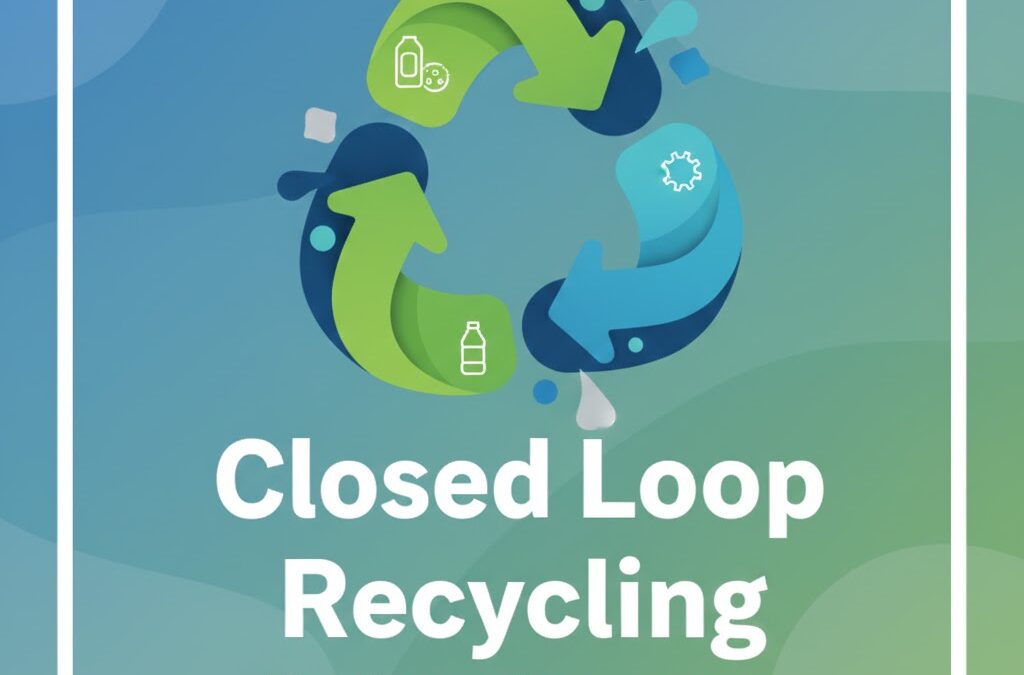
The worldwide challenge of managing waste continues to increase quickly, and businesses all over the world are looking for innovative, sustainable solutions. The most exciting solutions in the present involve closed Loop Recycling that is created to reduce waste, preserve resources, and limit environmental harm. Instead of dumping old materials and obtaining new raw materials, Closed Loop Recycling lets products be gathered, processed, and then remanufactured to create new products similar to the ones you have. This idea plays an essential part in establishing an economy that is circular, where there is no waste.
In the midst of a myriad of ways to recycling materials, Bottle Cap Recycling is getting more recognition. Bottle caps from plastic bottles, usually neglected, can be recycled into useful plastic items using recycling methods that form part of a larger Closing Loop Recycling method. Understanding the ways these strategies work will assist individuals, businesses and government agencies to help to create a healthier planet.
What is Closed Loop Recycling?
Closed Loop Recycling is a method of recycling that collects waste materials and repurposed into fresh versions of identical product. For instance recycled paper transforms into new paper, while recycled aluminum cans transform into new cans. In contrast to traditional recycling, in which materials are typically recycled into products of lower quality, closed loop recycling keeps the integrity of the material.
The purpose in Closing Loop recycling is to ensure that resources remain circulating within the economy as long as is possible. This means that there is less need for the purchase of new raw materials as well as reduces the energy needed in the production of products. Contrary to linear models, where products are made to be consumed, then used, and then eliminated–closed loop systems operate on an ongoing cycle of reuse.
How Closed Loop Recycling Works
Closed Loop Recycling is a process that closed loop recycling includes a number of steps:
- Collect Used materials are collected by curbside pickup recycling centers, curbside pickup or through return programs.
- The materials are sorted by kind to ensure purity during production.
- Cleansing and processing The contamination is eliminated and materials are processed to create reusable components.
- Re-manufacturing The clean material is used to produce new products that fall within the same class.
- Distribution Recycling products can be offered for sale and then integrated into the marketplace for consumer goods.
One excellent example of plastics is Cap Recycling for bottles. Cap Recycling Caps collected from drinks are separated and cleaned before being melted and reshaped to create new plastic items. While small in size, caps typically require special recycling processes due to their distinct polymer composition.
The significance of bottle Cap Recycling
Cap Cap Recycle is vital since caps made of plastic are made of the high density polyethylene (HDPE) or polypropylene (PP) which are not easily degraded within the environment. If improperly removed the caps can be buried in landfills for a long time can contribute to ocean pollution and even harm wildlife that believe they are food sources.
Through incorporating bottle cap recycling in the context that is Closing Loop Recycling communities can cut down on the environmental impact for single-use bottles. Recycling caps can be made into furniture, playground equipment and automotive parts and even brand new caps for bottles. This is a demonstration of the flexibility and energy-saving advantages from a closed loop.
Green Benefits from Closed Loop Recycle
Impact on the environment of closed loop recycling is substantial and quantifiable. Benefits include:
1. Reduced Landfill Waste
Reusing materials can reduce the amount of waste thrown in landfills. This conserves natural habitat and helps reduce pollution.
2. Conservation of Natural Resources
Closed Loop Recycling helps to conserve water as well as oil, wood and the minerals needed to make new products. This helps reduce pressure on natural ecosystems.
3. Lower carbon emissions
Producing products made using recycled materials consumes less energy than making products from raw materials. This means less greenhouse emissions are released.
4. Protection of Marine Life
Through assisting initiatives like Recycling Bottle Caps Society can stop millions of small plastic bits from entering the ocean and causing harm to the aquatic species.
Benefits for Social and Economic Benefits
Job Creation
The infrastructure that is required to support Closed Loop Recycling creates hundreds of positions in the collection research, sorting, research and the manufacturing sector.
Cost Savings for Businesses
Companies can lower their production costs by using recycled materials which can be cheaper than raw materials.
Improved Public Engagement
Educational programs particularly related to bottle Cap Recycling help citizens be involved in sustainability and increase the involvement of communities.
Problems with the implementation of Closed Loop Recycling
Despite its many advantages, Closed Loop Recycling has its own challenges.
- The contamination of material which decreases the quality of recycling.
- Recycle facilities are limited particularly in developing countries.
- Inadequate awareness of the proper recycling practices.
- More stringent requirements for sorting to maintain purity of material.
In the instance of Cap Recycling for Bottles Cap Recycling Caps are often separated from bottles and reduce the recovery rate. A lot of people are unaware that caps are recyclable if properly handled.
How Individuals Can Be Supportive Closed Loop Recycling
Every person can contribute to the achievement of Closing Loop Recycle by taking responsible actions:
Proper Sorting at Home
Knowing what materials is recyclable and what cannot is crucial. Keep bottles, plastic caps cardboard, metals, and cardboard distinct.
Support Products made from recycled Materials
The purchase of recycled products can help grow the market of closed loop recycling systems.
Join in the Community Recycling Programs
Many organizations collect bottles caps especially to be used in bottle Cap Recycling projects.
Reduce Single-Use Consumption
The best method for disposal is to eliminate waste entirely.
the future of closed loop recycling
As technology develops, Closed Loop Recycling will continue to grow. Innovative innovations like advanced sorts robotics and chemical recycling and increased global recycling networks will improve the efficiency of recycling. The future could bring the adoption of universal recycling standards, where materials are developed from the beginning to be reused and improvement in recycling of bottles and caps systems that increase the rate of material recovery.
Conclusion
Closed Loop Recycling is a viable solution to manage waste in a sustainable manner and reducing environmental damage and preserving resources. When combined with targeted initiatives such as bottle Cap recycling it shows how small actions can result in massive environmental impacts. Through assisting recycling programs, encouraging companies to utilize recycled materials as well as participating in community projects that involve both industries and individuals, they can contribute to a more sustainable circular, sustainable future.